
Evidence-first specimen analysis
Rock and mineral identifier
Add clear photos and a few field observations. Get up to three likely matches, the visible evidence behind them, and practical checks for what to do next.
- Photos used only for analysis
- Free trial available
Rock and mineral identifier
Evidence report
Your evidence report will appear here
Upload a specimen to compare visible texture, color, fracture, grain, and any field observations you provide.
Up to three plausible candidates
Visible reasons for each match
Simple checks to narrow it down
Better input, better evidence
Photograph a rock for identification
A useful image shows diagnostic texture, not just an attractive surface. These real teaching specimens show the level of detail to aim for.
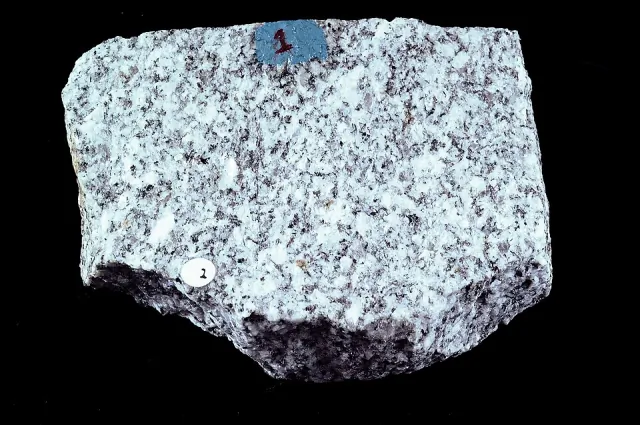
Biotite granite
Dexter Perkins · GeoDIL · CC0
View source and license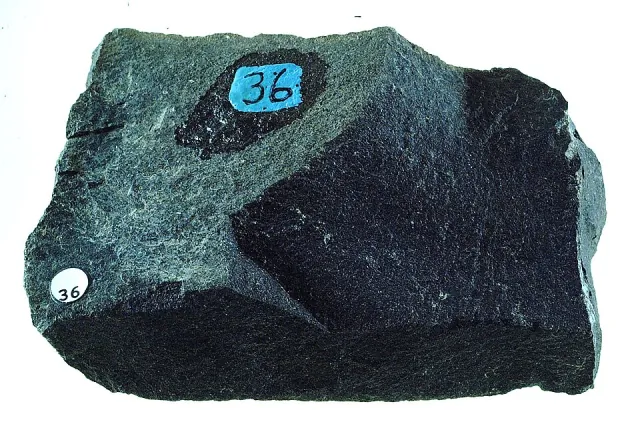
Basalt
Mike Davis · GeoDIL · CC0
View source and license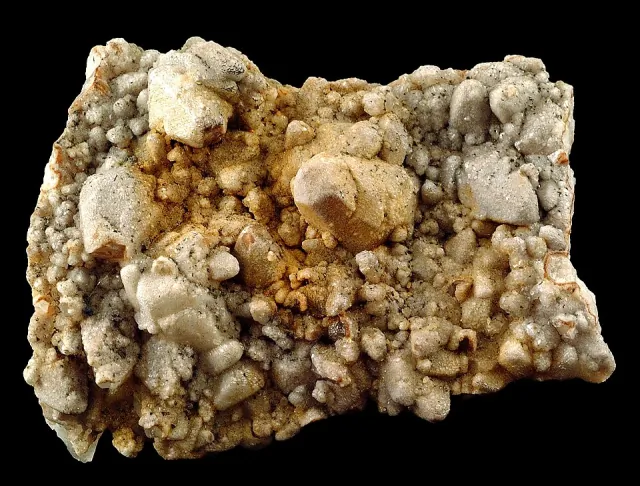
Milky quartz
Shannon Heinle · GeoDIL · CC0
View source and licenseUse indirect daylight and keep the specimen’s color neutral.
Fill the frame, but keep the entire specimen in focus.
Add a fresh broken edge or crystal face when available.
Include a coin or ruler in one view for scale, then remove it for the close-up.
Private field notebook
Your local collection
Save a result with your own name, place, date, and notes. Records stay in this browser until you export them.
No saved specimens yet
Complete an identification, then save the evidence report here.